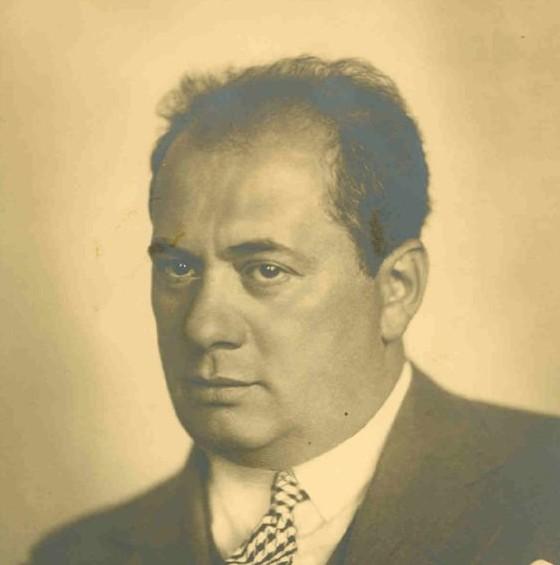
Life
Chronology
An illustrated chronology, from Warsaw in 1881 to Poznań in 2019.
- 1881
Born in Warsaw on March 15, the fifteenth of twenty children in an impoverished Jewish family whose musical roots ran four generations deep. His great-grandfather, the violinist Laibisch Waghalter (1790–1868), was known as the “Paganini of the East.”
- 1889
The Waghalter family in Warsaw. Ignatz, then eight years old, had already been performing publicly — in music halls, at the circus, and at the parties of Polish aristocratic and bourgeois families — for two years.
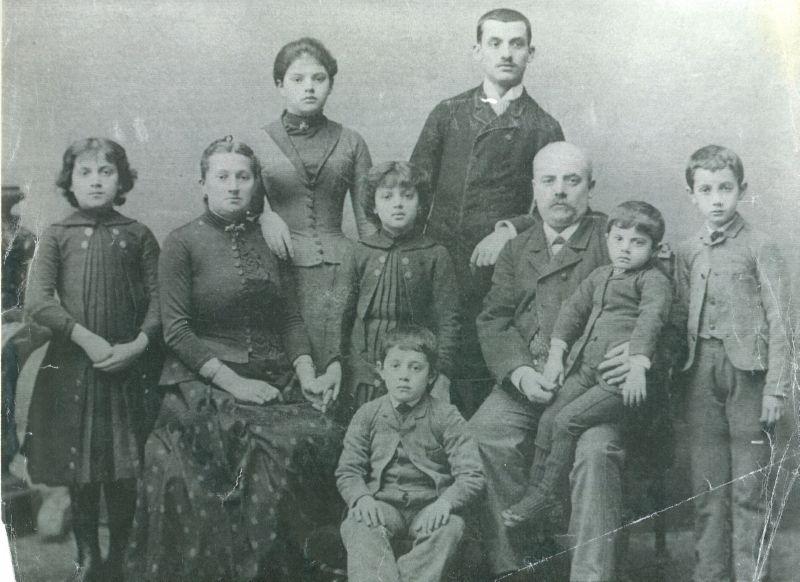
The Waghalter family
- 1898
At seventeen, crosses the Polish border illegally into Germany. After a brief apprenticeship with the composer Philipp Scharwenka, the violinist Joseph Joachim — a friend of Brahms — helps him gain admission to the Berlin Academy of Art.
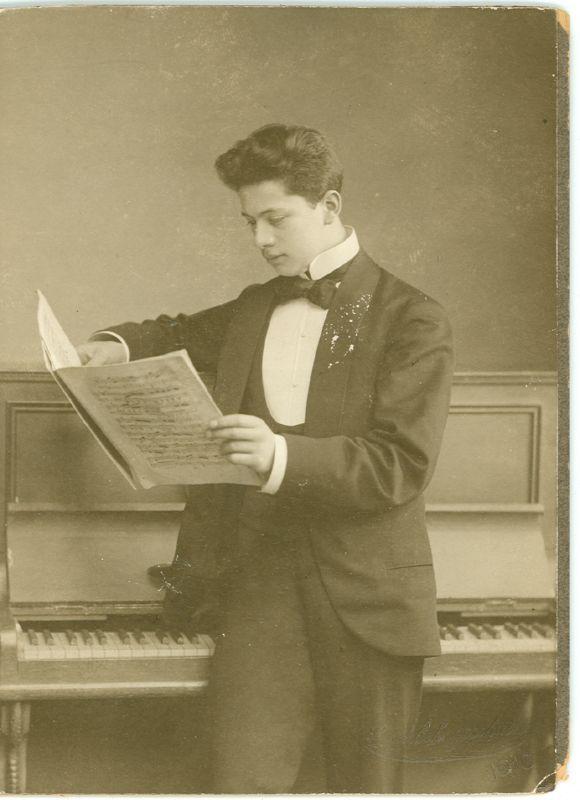
As a student at the Akademie der Künste, Berlin · 1899
- 1902
Receives the Mendelssohn Prize, the Academy’s highest award, for his Sonata in F Minor for Violin and Piano.
- 1904
A portrait taken in Berlin during the years of his early compositions and his apprenticeship as a conductor at the Komische Oper.
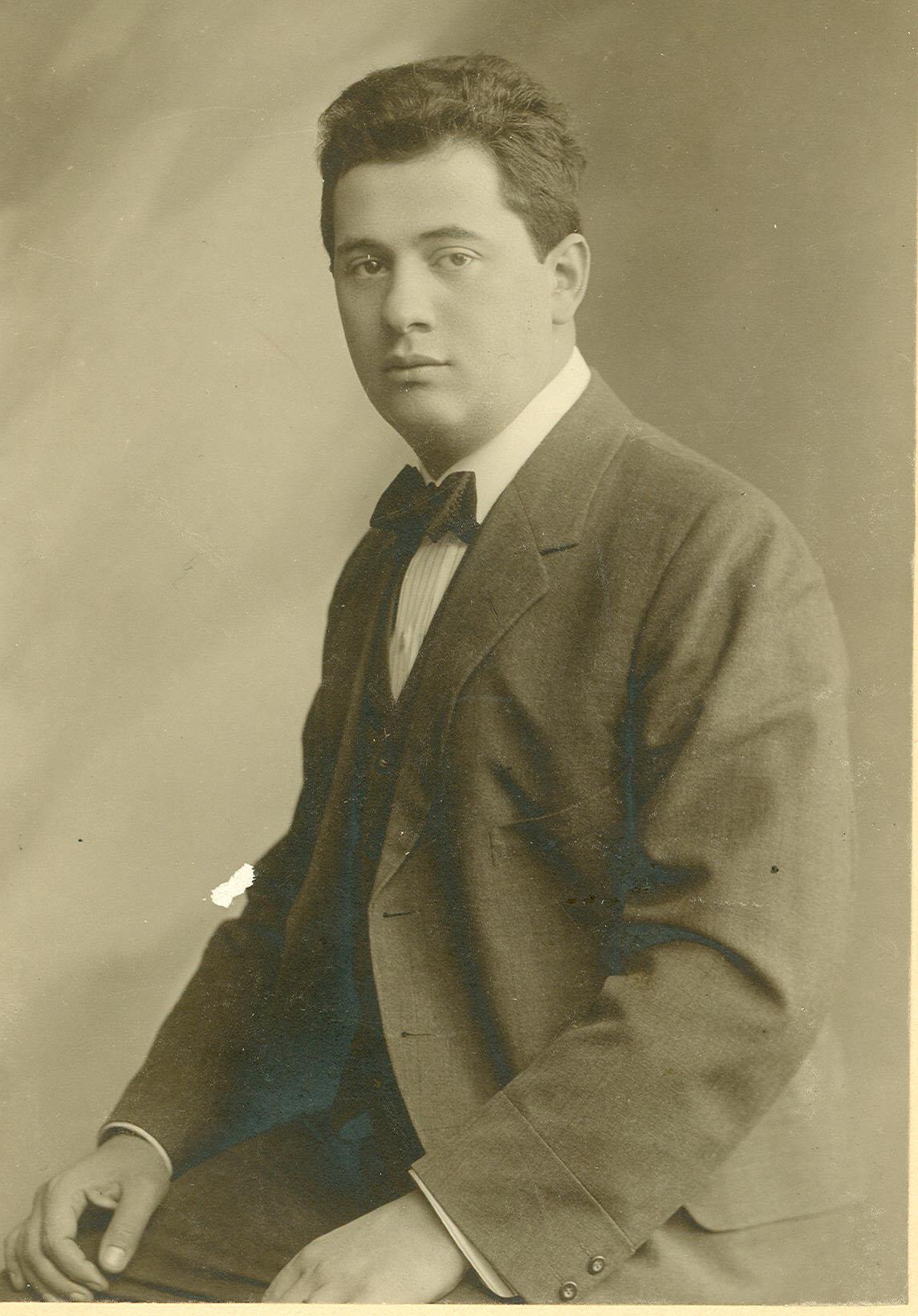
Berlin · 1904
- 1912
At thirty-one, conducts Beethoven’s Fidelioat the opening of the newly constructed Deutsches Opernhaus in Berlin-Charlottenburg, on November 7. His selection — as a Polish-born Jew — provoked death threats from German nationalists, but the intendant Gregor Hartmann refused to yield.
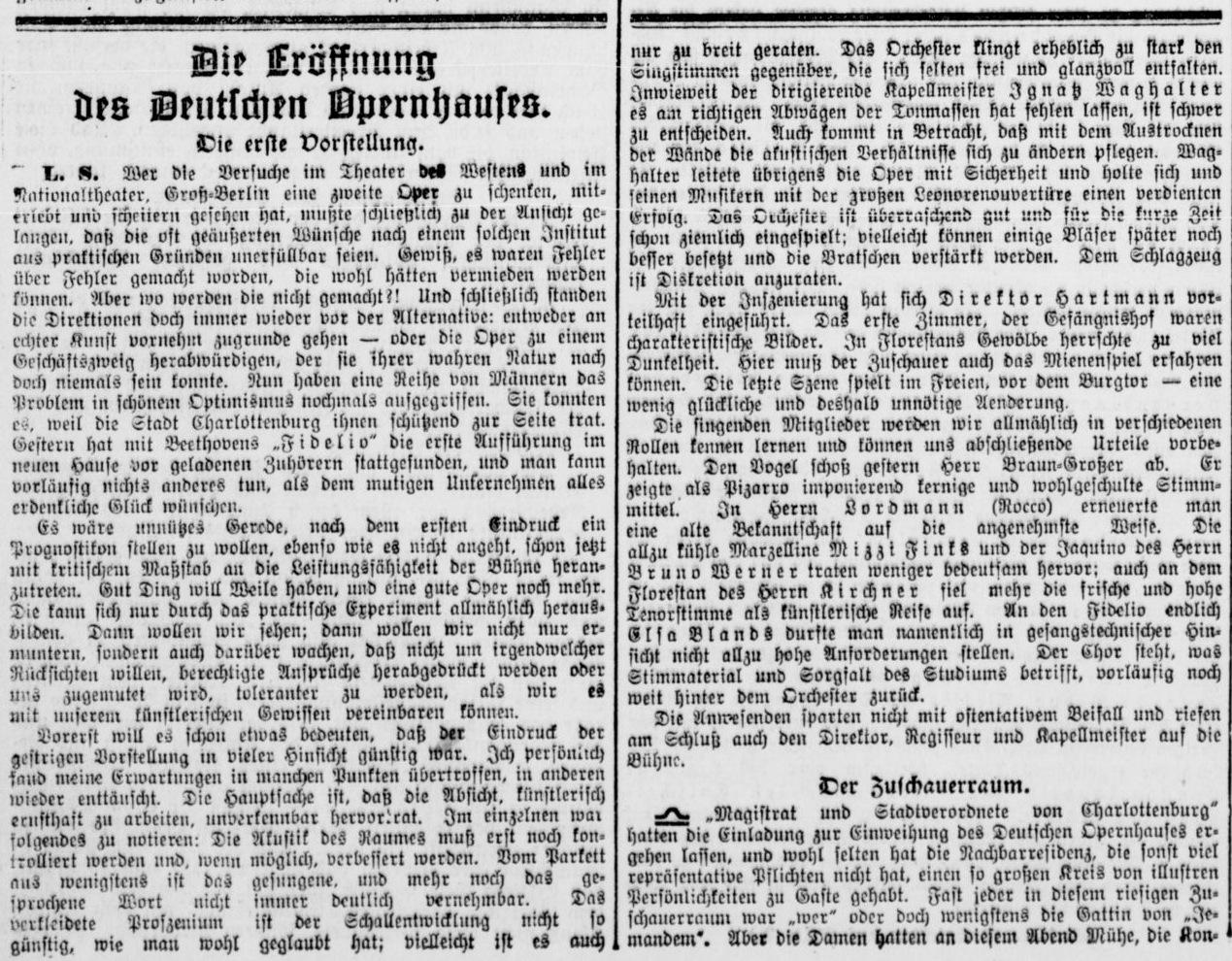
Berliner Tageblatt · 8 November 1912 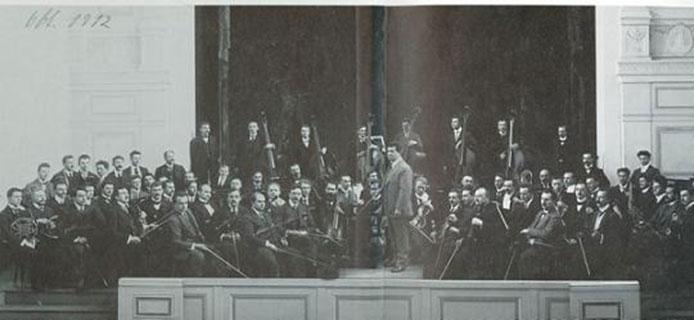
Waghalter and the orchestra of the Deutsches Opernhaus
- 1913
At Puccini’s explicit insistence, leads the German premiere of La Fanciulla del Weston March 28 — seventy curtain calls. Later in the year, Waghalter conducts Manon Lescaut to comparable triumph; The New York Timescalls it “the conspicuous event of the early winter music season of Berlin.” On December 18, his daughter Beatrice is born in the family apartment on Konstanzer Strasse.
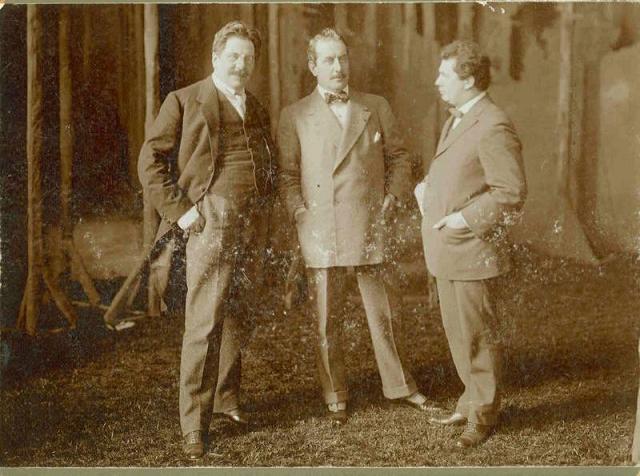
Gregor Hartmann, Giacomo Puccini, and Ignatz Waghalter, Berlin 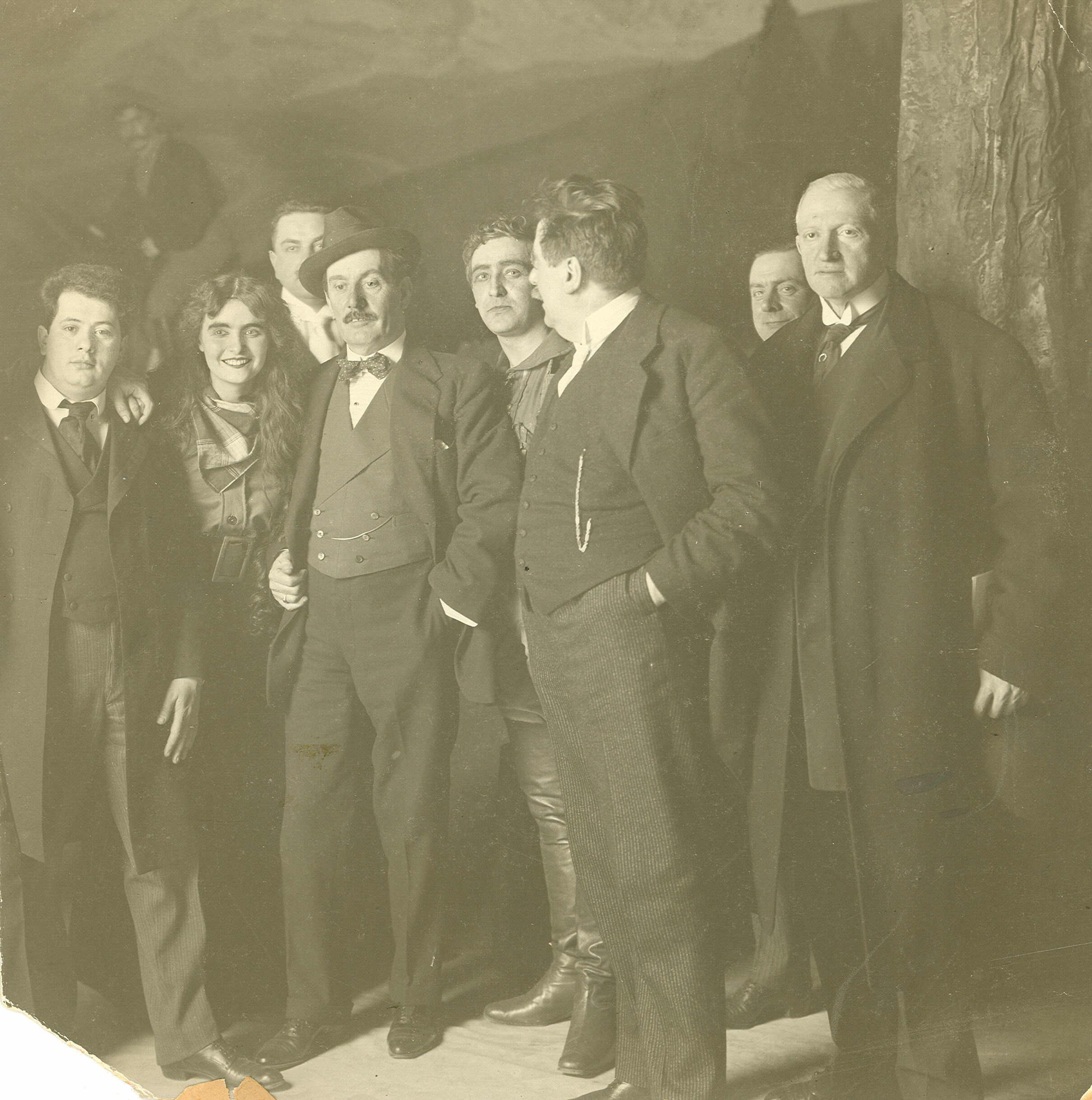
Rehearsing La Fanciulla del West, March 1913
- 1917
Premieres Jugendat the Deutsches Opernhaus on February 17, in the midst of the First World War. The opera is performed more than forty times in the next three years; one critic ranks the climactic love duet alongside Verdi’s Aida.
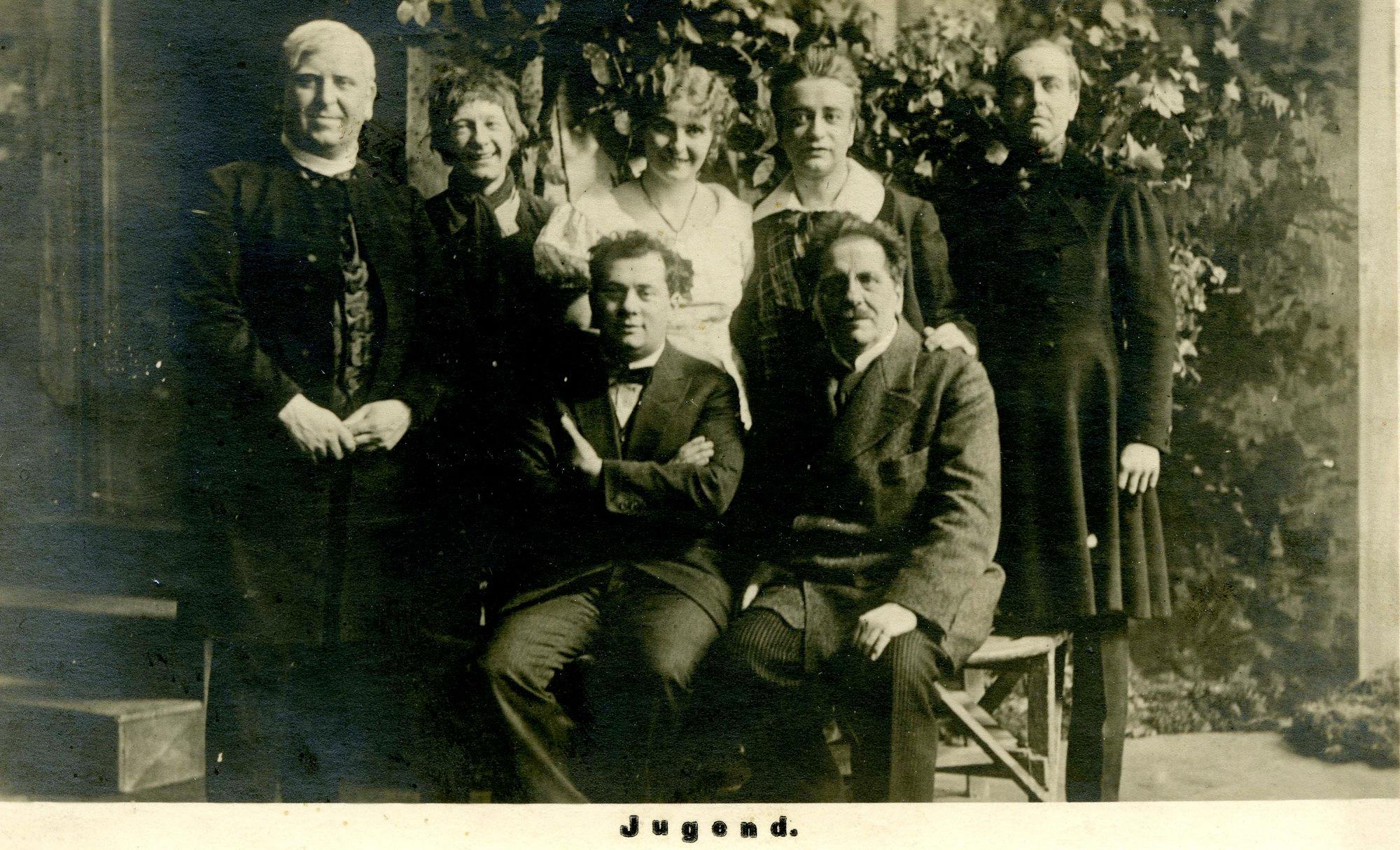
Waghalter with the cast of Jugend 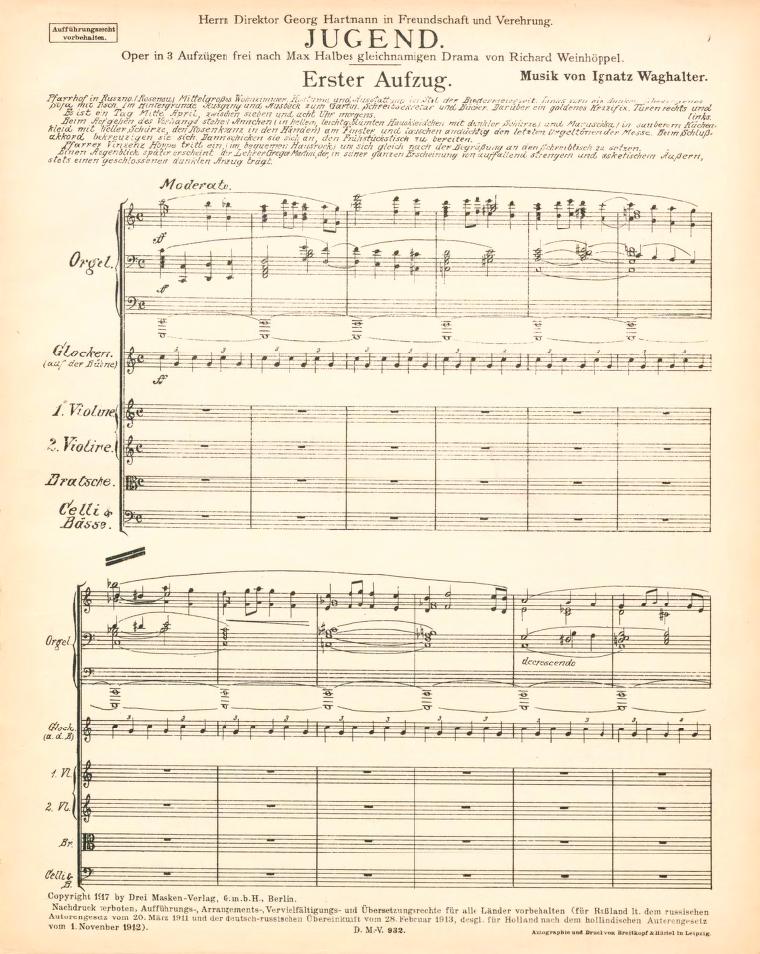
First page of the orchestral partitur of Jugend 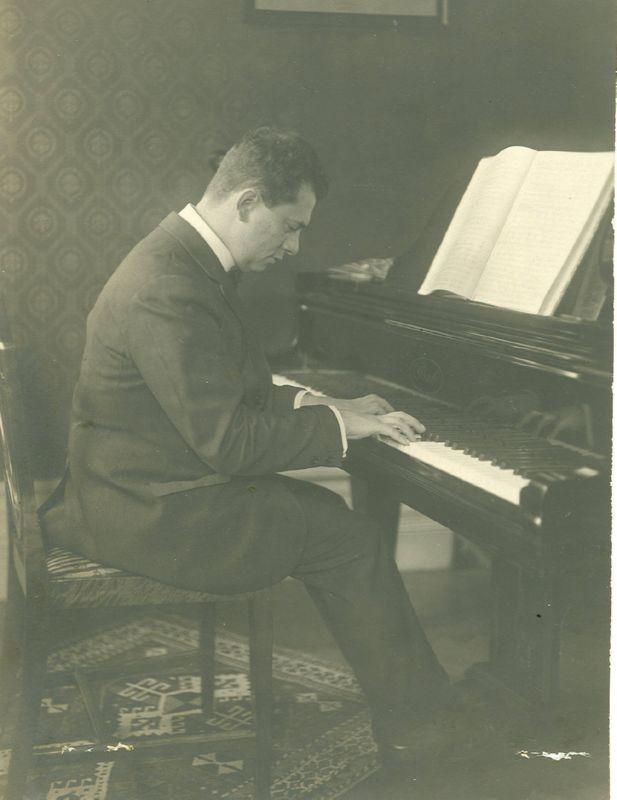
At the piano in his apartment on Konstanzer Strasse
- 1920
Beatrice, then six, with her elder sister Alice in Heringsdorf. The children grew up in an apartment frequented by Josef Hofmann, Max Reinhardt, Richard Tauber, and an amateur violinist named Albert Einstein.
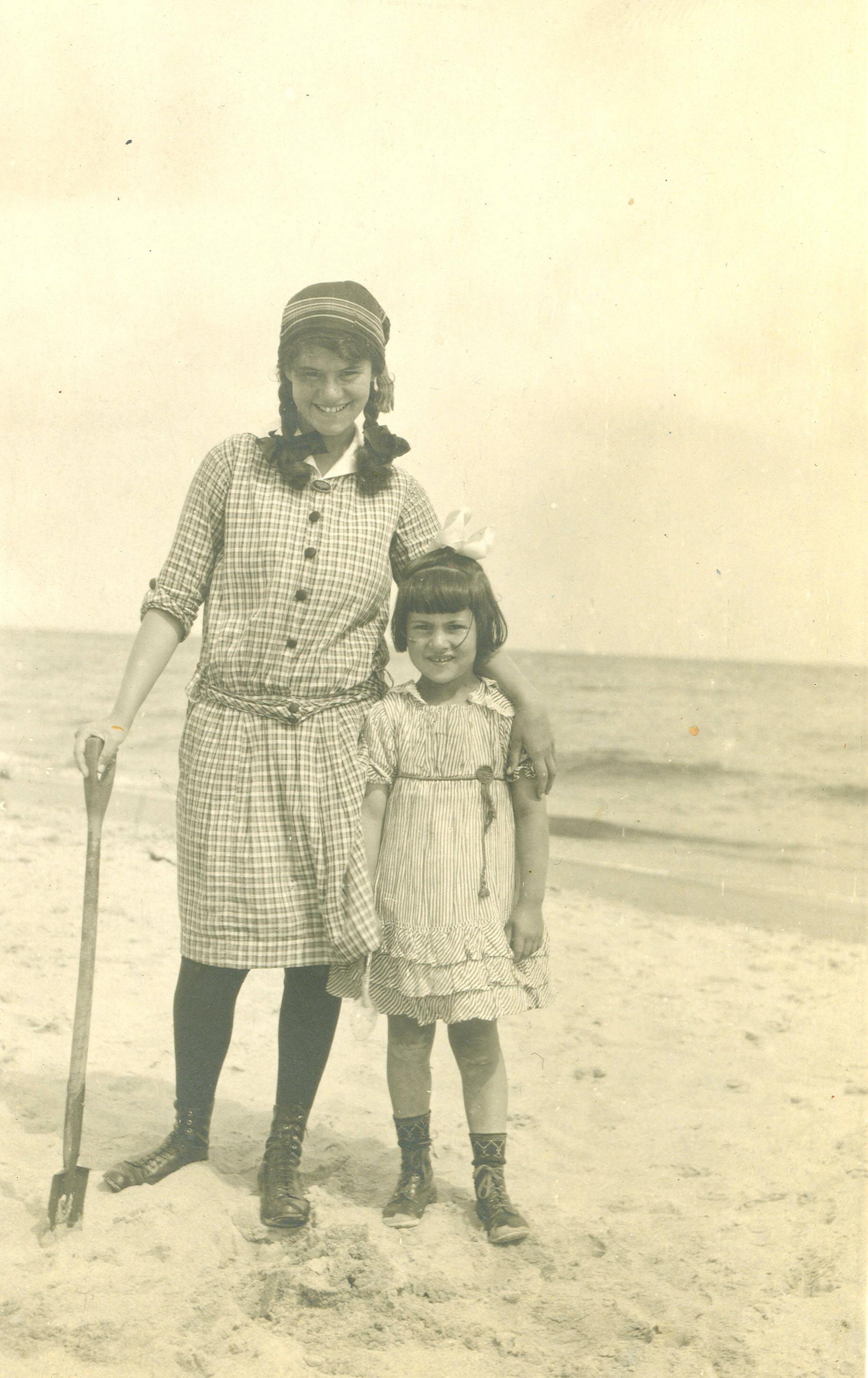
Beatrice and her elder sister Alice, Heringsdorf
- 1923
Premieres Sataniel in an increasingly hostile climate. The inflation crisis bankrupts the Deutsches Opernhaus; Hartmann is forced out. After eleven years, Waghalter leaves the house.
- 1924–26
Becomes General Music Director of the New York State Symphony Orchestra; returns to Berlin in late 1925 and assumes the same role at Ufa, Europe’s largest film studio. Records twenty-two surviving sides with the orchestra of the Städtische Oper (the reconstituted Deutsches Opernhaus) between 1924 and 1926.
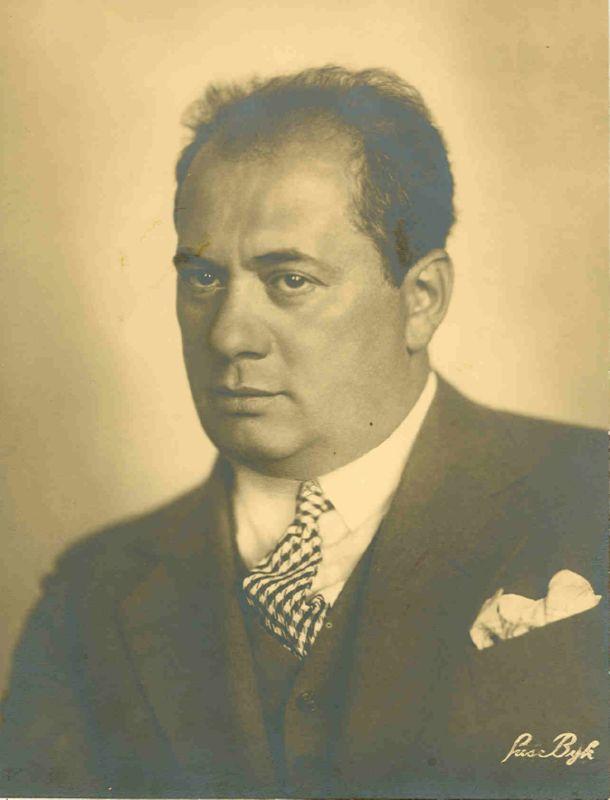
Berlin · 1925
- 1926
The Waghalter Jazz Orchester records two hits by his old friend Rudolf Nelson, Mädel mit der Knabenfigur and Mädelein.
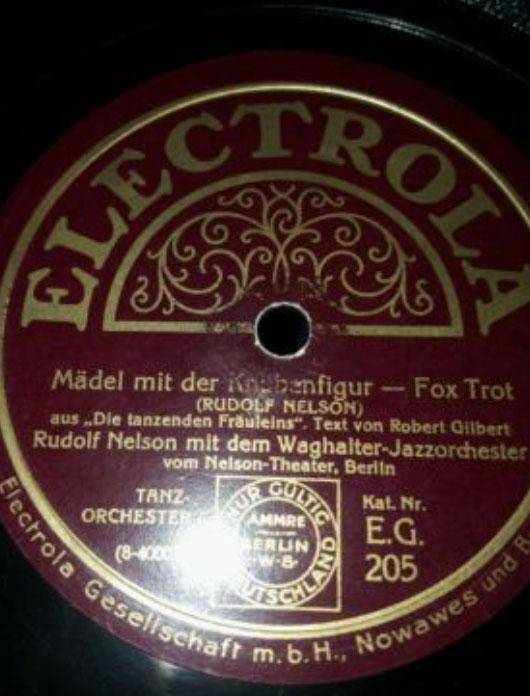
The Waghalter Jazz Orchester recording 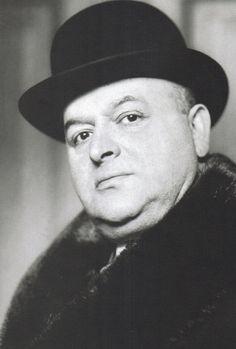
Rudolf Nelson · c. 1930
- 1930
Six months as guest conductor of the Bolshoi Opera in Moscow, followed by an appointment as General Music Director and principal conductor of the National Opera of Latvia in Riga.
- 1934
Flees Nazi Germany for Czechoslovakia. In Prague he writes the autobiography Aus dem Ghetto in die Freiheit (From the Ghetto into Freedom).
- 1936
Beatrice, who had returned to Germany to perform under the auspices of the Jüdische Kulturbund, makes her Berlin debut in April. The Berliner Gemeindeblattwrites: “Oh, ears, eyes, heart, what more can you require?”
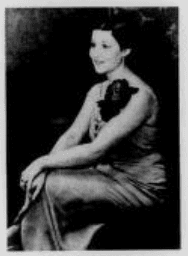
Photograph published in the Berliner Gemeindeblatt, 26 April 1936
- 1937
Leaves Vienna and reaches the United States with his wife Toni in May 1937. Founds the Negro Symphony Orchestra in Harlem — supported by James Weldon Johnson, Marian Anderson, and Duke Ellington, with Mildred Franklin as concertmaster.
- 1938–39
Composes the New World Suite for the Negro Symphony Orchestra. The orchestra is dissolved before it can be performed, and the manuscript is lost from public sight for seventy years.
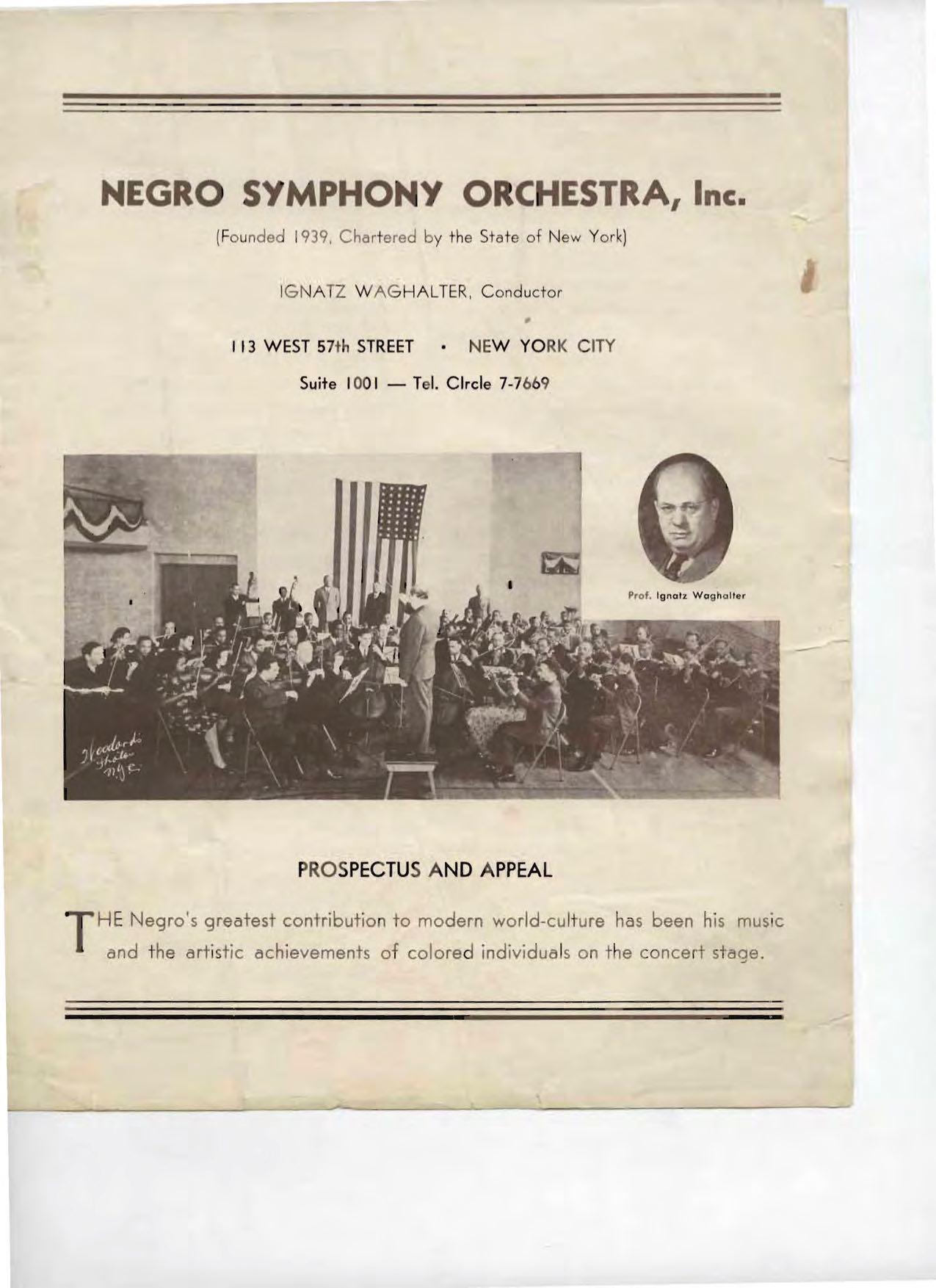
Negro Symphony Orchestra brochure · 1939 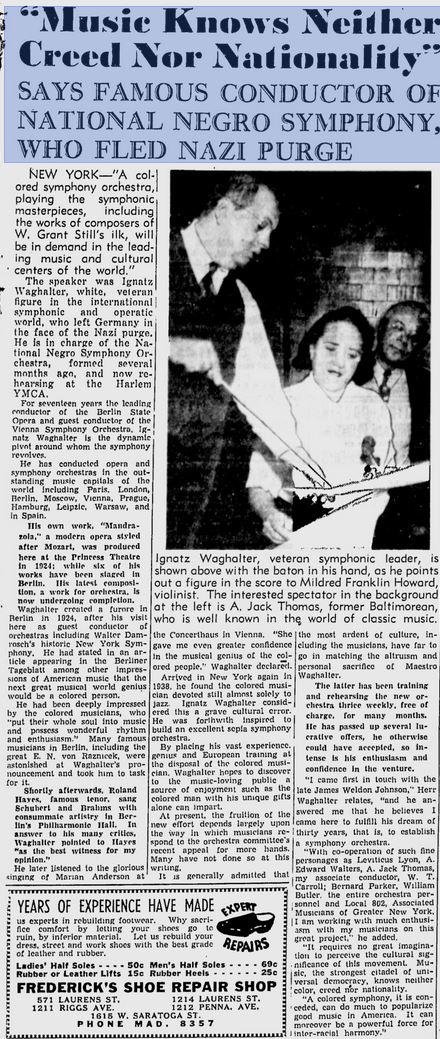
The Baltimore Afro-American · 28 January 1939
- 1941
Directs a WQXR broadcast of his anti-fascist opera Ahasuerus und Ester from the piano on February 10, with Beatrice singing Ester. In September, in his Central Park West apartment, he composes Remembrance— a short piano piece, a song without words, recovered from his manuscripts decades later.
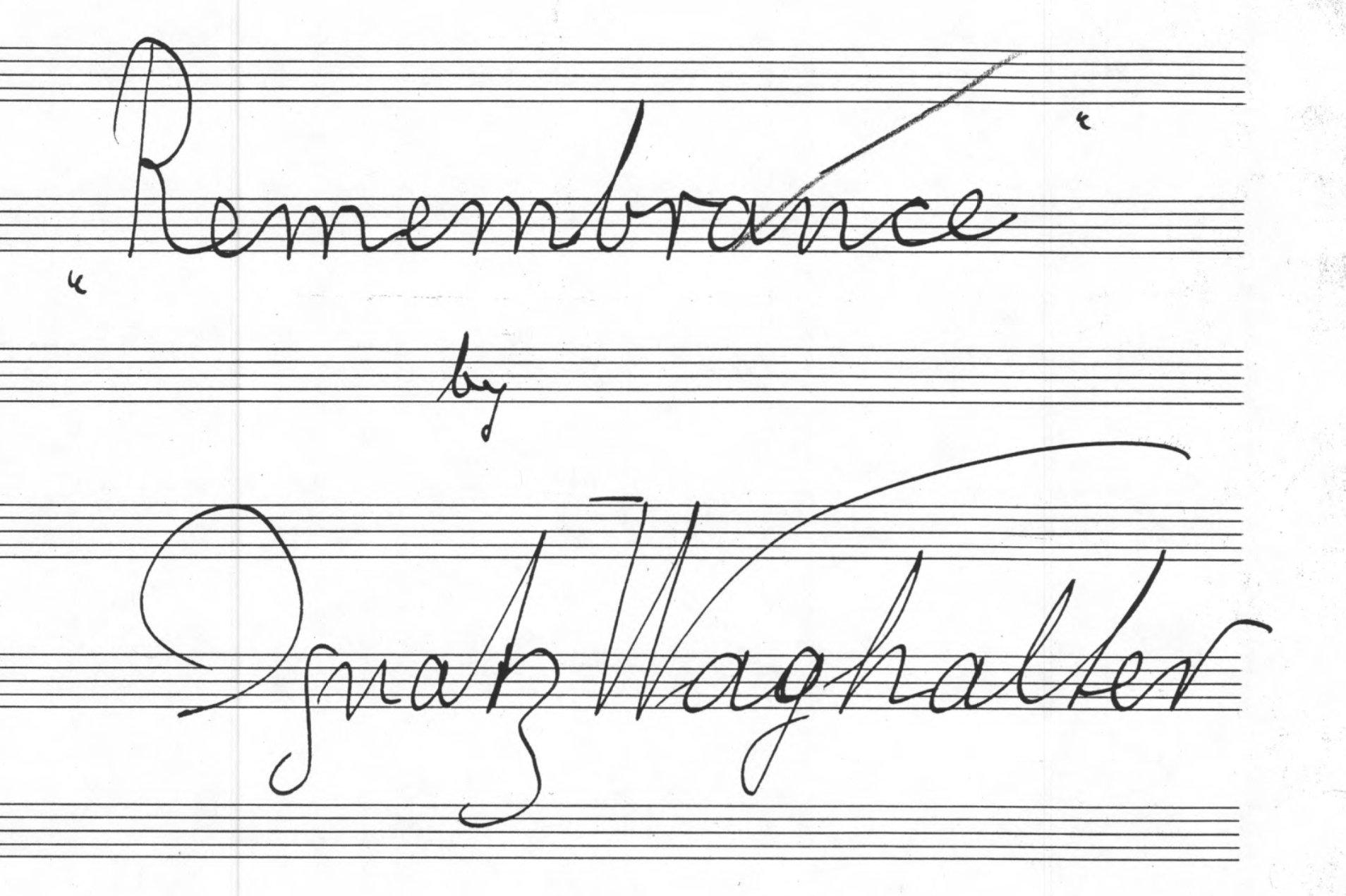
Title page of Remembrance, 1941
- 1945
New York. The last decade of his life, spent in the German émigré community of the Upper West Side.
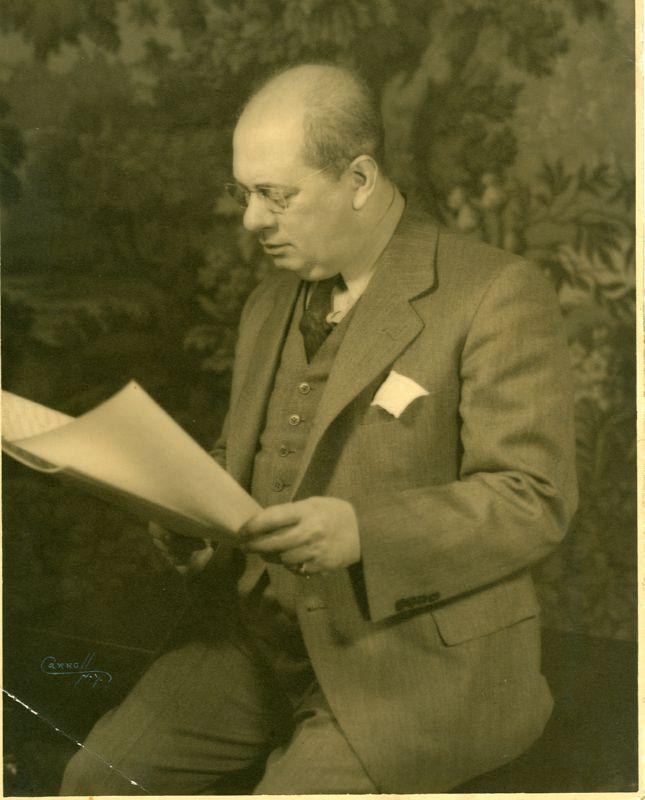
New York · 1945
- 1949
Dies suddenly of a heart attack on the morning of April 7, in his apartment at 385 Central Park West. The New York Times publishes a long obituary the next day; Rabbi Joachim Prinz, who had known Waghalter in pre-1933 Berlin, delivers the funeral oration at Riverside Chapel: “Who can believe that all that was once Ignatz Waghalter lies in this coffin?”
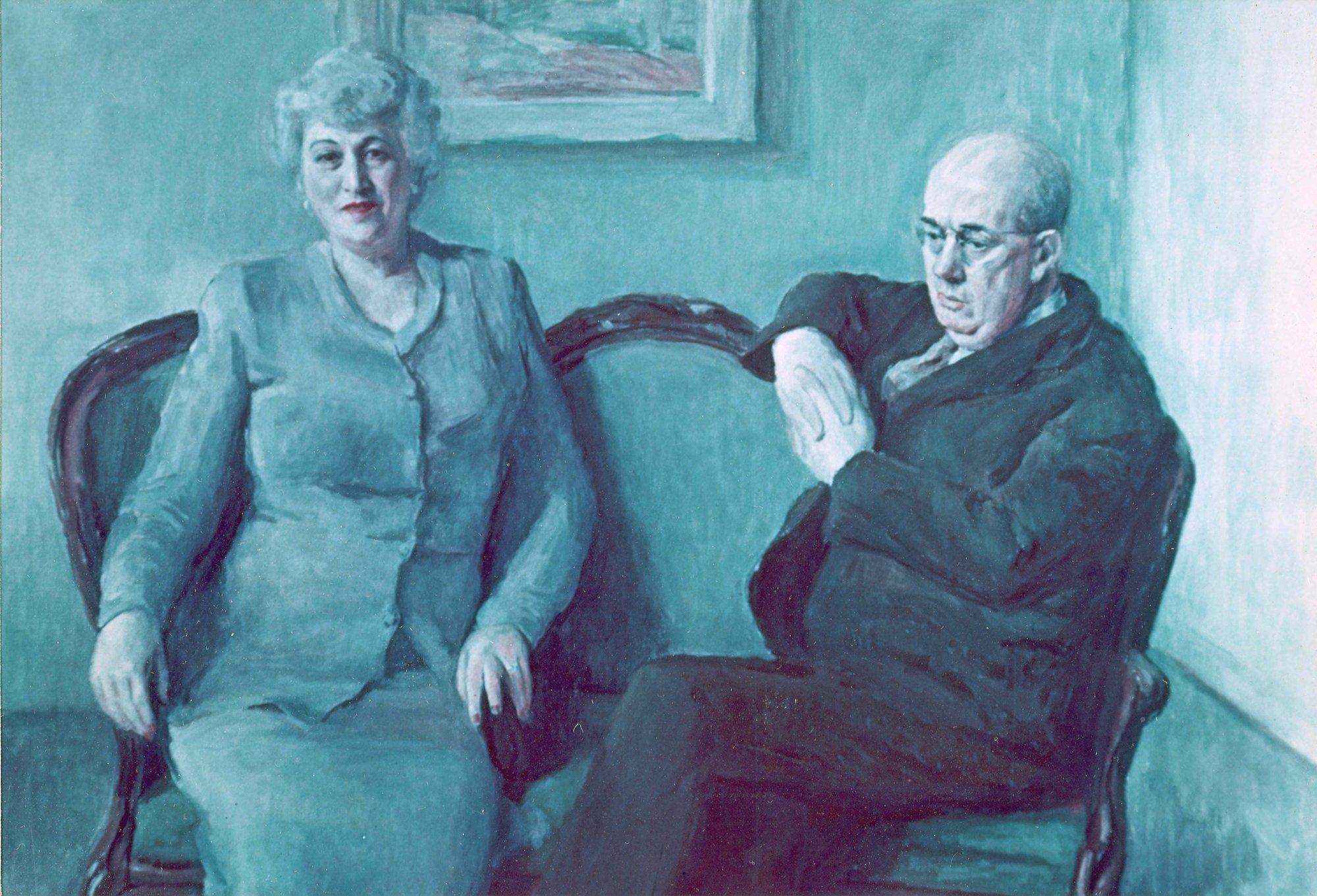
Last portrait — Ignatz Waghalter and his wife Toni 
The New York Times obituary · 8 April 1949
- 1981
The Deutsche Oper, successor to the Deutsches Opernhaus, commemorates the centenary of Waghalter’s birth. Beatrice travels to Berlin and speaks extemporaneously, in German, of her father.
- 1989
The Deutsche Oper performs Jugend. Beatrice attends, and is interviewed in advance by Sender Freies Berlin— three hours before the performance.
- 2001
Beatrice Waghalter dies on October 18, two months short of her eighty-eighth birthday. Her remains are interred in the Dorotheenstädtischer Friedhof in Berlin.
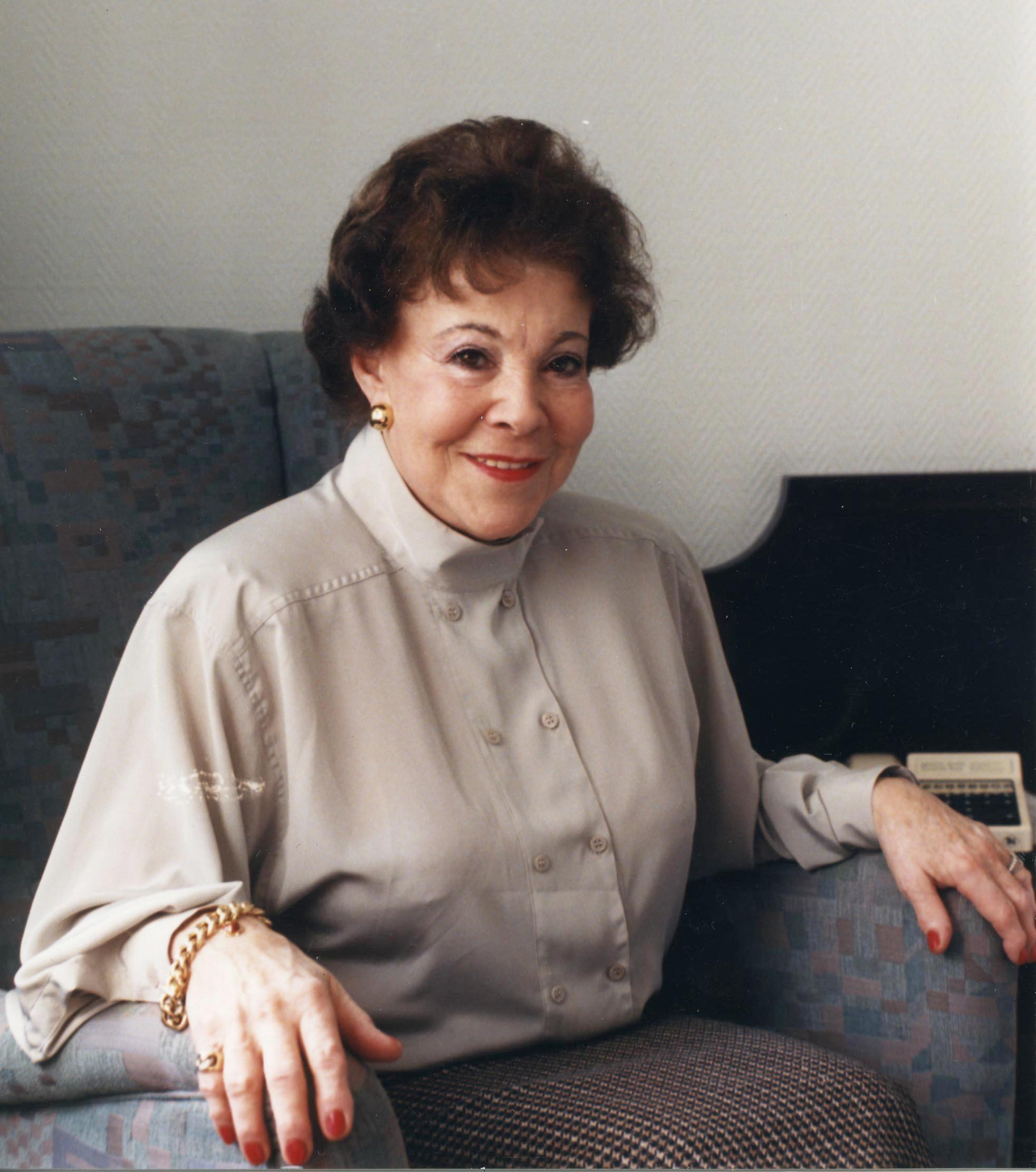
Beatrice in Berlin · 1992
- 2012
The British conductor Alexander Walker discovers the 200-page manuscript of the New World Suite in a box of family papers, and prepares a performance score from it. Naxos releases the Violin Concerto, performed by Irmina Trynkos with the Royal Philharmonic.
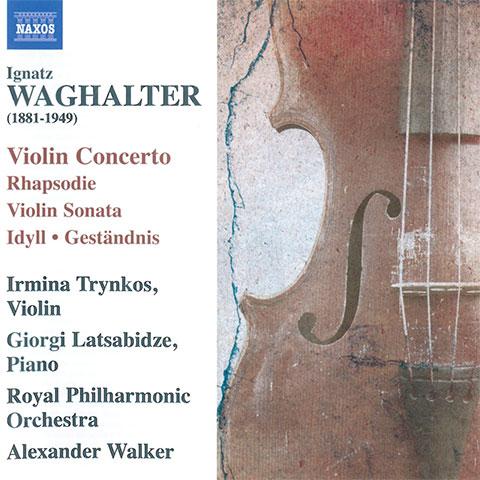
Naxos · 2012
- 2015
Naxos releases the New World Suite, alongside the MandragolaOverture and Intermezzo and Masaryk’s Peace March.
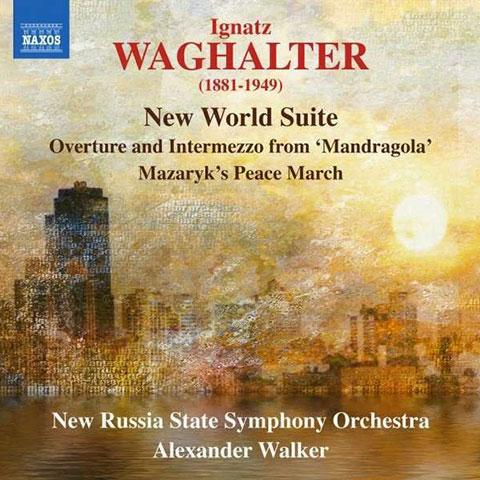
Naxos · 2015
- 2019
Eighty years after composition, the New World Suite receives its world premiere on May 17. Filharmonia Poznańska, conducted by Ariel Zuckermann; broadcast by Deutschlandfunk Kultur.
See the full biography for the fuller account, or the foundational essay Why did Ignatz Waghalter become unknown?